
Water sports brands are facing higher performance expectations than ever before. Customers demand strong UV protection, full arm coverage, quick drying, and long-lasting stretch. At the same time, brands must maintain competitive pricing and fast production cycles. This creates pressure across the supply chain.
Many factories treat long sleeve rash guards like basic athletic tops. This leads to poor sleeve elasticity, weak seam construction at underarms, fading prints, and limited sun protection. For B2B buyers, these issues increase return rates and reduce distributor trust.
Without technical manufacturing systems, scaling long sleeve water apparel becomes risky. Engineers and sourcing managers need performance-focused production, not general garment assembly.
What a Performance Rashguard Long Sleeve Is
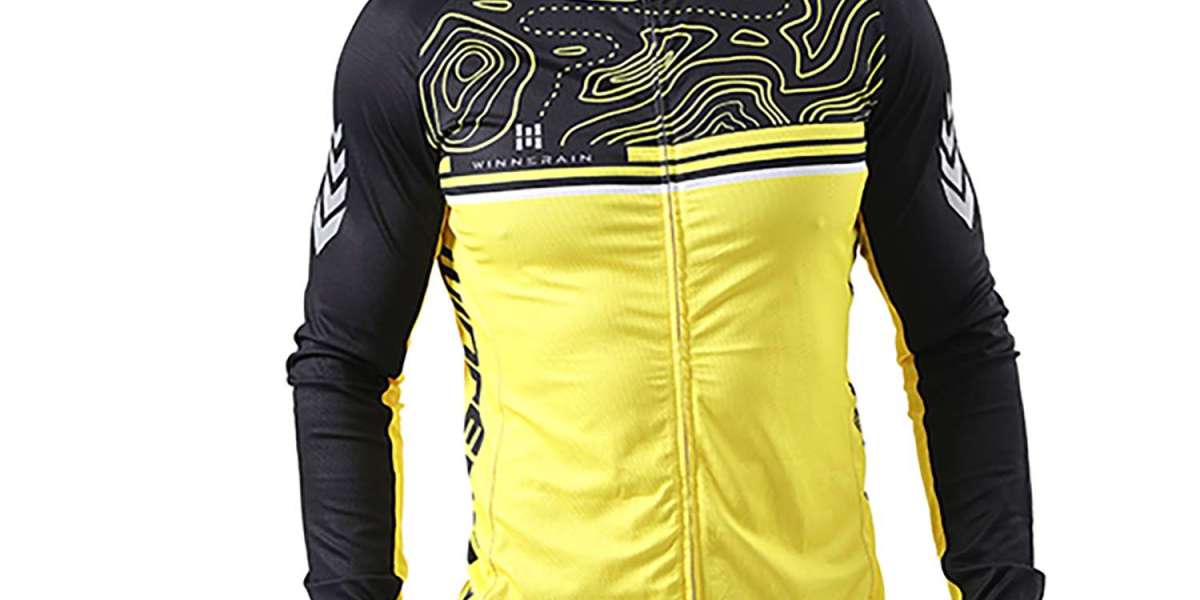
A performance rashguard long sleeve is a technical water sports garment designed to provide extended UV protection, abrasion resistance, and compression stability. It is widely used in surfing, open-water swimming, diving, and outdoor training.
The rashguard long sleeve production system combines UV-certified fabrics with reinforced seam construction and ergonomic pattern engineering. Unlike short sleeve variants, long sleeve designs require precise arm mobility control and stretch balance.
This ensures athletes receive full coverage without sacrificing flexibility or comfort.
How Rashguard Long Sleeve Manufacturing Works
Technical Fabric Selection
Production starts with polyester-spandex or nylon-elastane blends that provide:
UPF 30–50+ sun protection
Four-way stretch
Chlorine and saltwater resistance
Moisture management
Quick-dry capability
Fabric rolls are tested for elasticity recovery and colorfastness before cutting to prevent shrinkage or distortion after washing.
Sleeve Pattern Engineering
Long sleeves require advanced grading and arm rotation design. Digital pattern systems ensure accurate shoulder slope and sleeve curvature.
Fit testing focuses on:
Arm extension flexibility
Shoulder seam stability
Wrist elasticity retention
Compression balance along the arms
This prevents tightness or restricted movement during performance use.
Reinforced Seam Construction
The underarm and shoulder areas experience the most stress. Manufacturers use:
Flatlock stitching to reduce friction
Reinforced panel joining
Double-needle sleeve hems
Elastic wrist finishing
These techniques increase durability under repeated stretching.
Problems in Traditional Production
Standard apparel factories often lack water-performance knowledge. This causes:
Weak seam tension at sleeve joints
Reduced UV resistance
Fabric sagging after washing
Transparency when wet
Poor print durability
These weaknesses lead to product dissatisfaction and increased warranty claims.
How Modern Manufacturing Solves These Problems
A specialized rashguard long sleeve production system eliminates these risks through technical control and structured inspection.
Solutions include:
Certified UPF fabric sourcing
Multi-stage quality inspections
Pre-production sample approvals
Compression testing before shipment
Shrinkage and stretch recovery control
This ensures bulk production matches approved development samples.
Key Features B2B Buyers Should Prioritize
When sourcing long sleeve rash guards, focus on these technical features:
OEM & ODM capability
Sublimation printing with colorfast control
Anti-chafe flatlock seams
Eco-friendly recycled fabric options
Flexible MOQ
In-house sampling and development team
These features allow brands to innovate while maintaining production stability.
Comparison: Standard Long Sleeve Sports Shirt vs Performance Rashguard
| Criteria | Standard Long Sleeve Shirt | Performance Rashguard Long Sleeve |
|---|---|---|
| UV Protection | Limited | UPF 30–50+ certified |
| Seam Strength | Basic stitching | Reinforced flatlock |
| Water Resistance | Moderate | Salt & chlorine resistant |
| Stretch Recovery | Average | Four-way engineered stretch |
| Durability | Casual use | High-performance tested |
This comparison highlights why specialized production is necessary for water sports applications.
Real Applications Across Industries
Custom long sleeve rash guards serve multiple markets:
Surf & Paddle Sports Brands
Require full arm UV protection and abrasion resistance against boards.
Open Water Swim Events
Athletes need sun protection during long exposure training.
Diving & Snorkeling Suppliers
Use long sleeves as lightweight base layers.
Private Label Retail Collections
Require reliable sizing and vibrant long-lasting prints.
Each segment demands strict quality standards and performance reliability.
Why Manufacturers Prefer Specialized Production
Manufacturers and product engineers choose specialized systems because they reduce operational uncertainty.
Benefits include:
Lower defect rates
Consistent lead times
Reliable fabric sourcing
Structured communication
Scalable production for growth
These advantages build long-term partnerships between factories and global brands.
How to Choose the Right Manufacturing Partner
Selecting the correct partner requires technical evaluation.
Verify UV Certification
Request documented UPF test reports.
Inspect Fabric Quality
Check stretch recovery, pilling resistance, and chlorine endurance.
Assess Seam Technology
Ensure flatlock stitching and reinforced sleeve panels are standard.
Conduct Pilot Testing
Place a small batch order before committing to bulk production.
A systematic selection process protects brand investment and reduces risk.
Conclusion
The demand for performance-based water apparel continues to grow globally. Brands cannot rely on standard garment production for long sleeve rash guards that require UV protection, durability, and advanced seam construction.
A specialized rashguard long sleeve manufacturing system delivers technical precision, structured quality control, and scalable production. Through engineered fabrics and reinforced stitching methods, it ensures long-term durability and customer satisfaction.
For B2B buyers, manufacturers, and engineers, investing in technical production systems ensures product consistency, protects brand reputation, and supports sustainable business growth.