
AR device manufacturers often struggle with brightness loss and complex optical assembly. Waveguide systems can be difficult to manufacture and expensive to scale. Many early AR products also suffered from dim images and limited field of view.
Engineers must balance image clarity, module size, cost, and manufacturability. Poor optical efficiency directly impacts outdoor visibility and user experience. This creates challenges for OEMs developing commercial AR smart glasses.
The Solution: High-Brightness Bird Bath Optical Module
A high-efficiency Bird bath optical module offers a practical solution for AR display systems.
This optical architecture uses reflective and semi-reflective surfaces to combine virtual images with the real world. Compared to more complex waveguide systems, bird bath designs provide strong brightness and easier manufacturing integration.
For B2B manufacturers, it offers performance balance and cost control.
What Is a Bird Bath Optical Module?
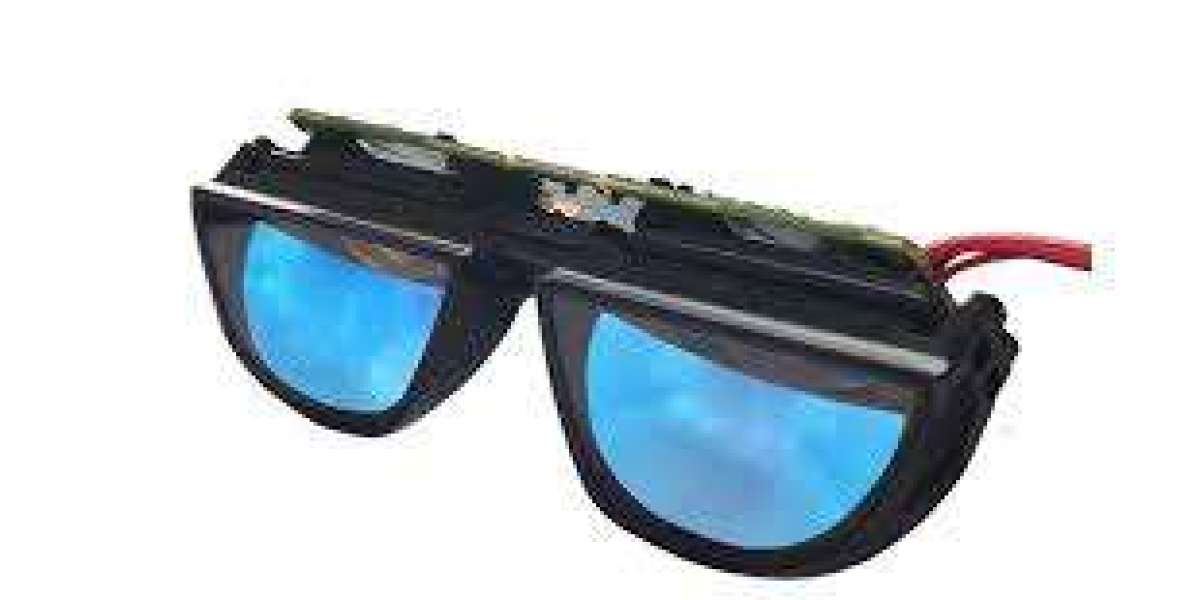
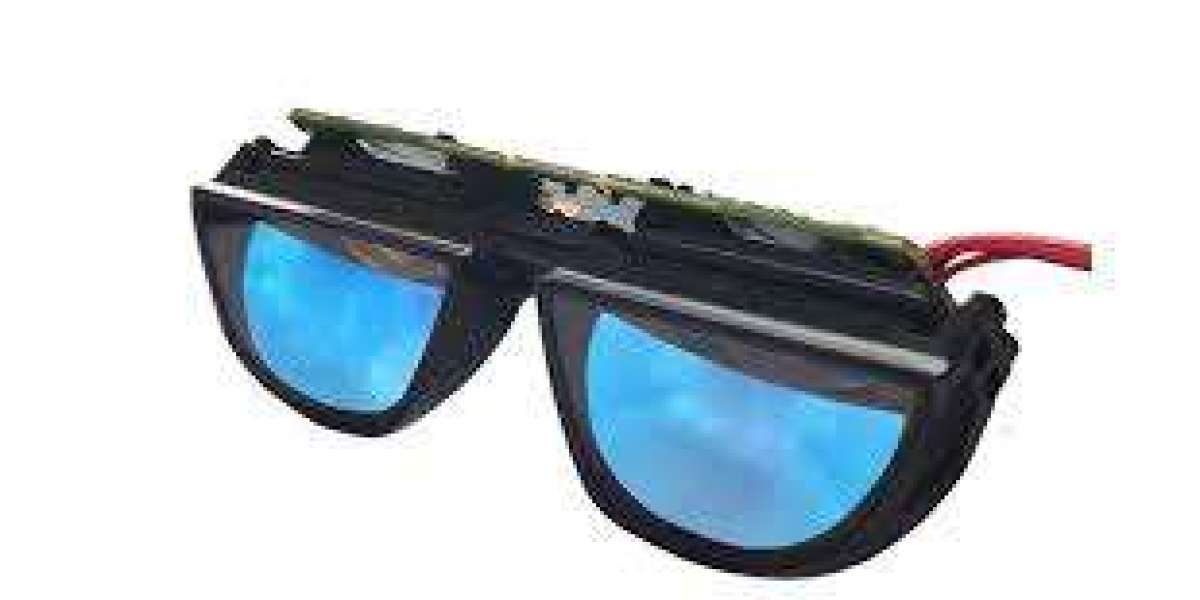
A bird bath optical module is an AR optical system that uses a curved mirror and beam splitter structure to reflect and project images into the user’s eye.
Key Characteristics:
High optical efficiency
Clear image overlay
Compact layered structure
Compatible with micro displays
Scalable production design
It is widely used in early-stage and commercial AR smart glasses.
How It Works
The module combines display projection and reflective optics.
Working Principle:
A micro display generates the image.
The image passes through projection optics.
A curved mirror reflects the image toward a beam splitter.
The beam splitter directs the image into the user’s eye while allowing real-world light to pass through.
This design creates a virtual overlay on top of the real environment.
Problems with Traditional AR Optical Solutions
Older AR optical systems face several challenges.
Common Issues:
Low brightness output
Complex alignment requirements
High manufacturing cost
Limited mass production scalability
Reduced outdoor visibility
Waveguide-based systems, while compact, can suffer from light loss due to multiple internal reflections.
How Bird Bath Optical Module Solves These Issues
The Bird bath optical module improves brightness and simplifies optical design.
It offers:
Higher light utilization efficiency
Easier optical alignment
Lower production complexity
Strong outdoor readability
Flexible design adaptation
For manufacturers, this means faster development cycles and reliable product performance.
Key Features Engineers Evaluate
1. High Brightness Performance
Improved light transmission supports outdoor AR use.
2. Wide Field of View
Optimized mirror curvature enhances viewing area.
3. Optical Clarity
Low distortion and uniform brightness across the display.
4. Integration Compatibility
Works efficiently with micro OLED or micro display panels.
5. Structural Stability
Layered optical design ensures durability.
These features directly affect AR system performance and user comfort.
Comparison: Bird Bath vs Waveguide Optical Systems
| Feature | Bird Bath Optical Module | Waveguide System |
|---|---|---|
| Brightness Efficiency | High | Moderate |
| Manufacturing Complexity | Lower | Higher |
| Cost | Moderate | High |
| Compactness | Moderate | Very Compact |
| Outdoor Visibility | Strong | Limited (light loss) |
Bird bath systems provide better brightness and easier production scalability.
Real Applications in AR Industry
Consumer AR Smart Glasses
Used in early commercial AR wearable devices.
Industrial AR Systems
Supports maintenance, training, and field service tools.
Medical Visualization
Provides overlay guidance for healthcare applications.
Education and Training
Enhances interactive learning environments.
These applications require reliable brightness and stable optical performance.
Why Manufacturers Prefer Bird Bath Optical Modules
Manufacturers select bird bath architecture because it:
Balances brightness and cost
Simplifies production integration
Reduces optical alignment difficulty
Provides stable image quality
Supports faster product development
For OEMs entering the AR market, it offers a practical and scalable optical solution.
How to Choose the Right Bird Bath Optical Module
When selecting a module, engineers should consider:
Display Compatibility
Ensure proper matching with micro display resolution.
Field of View Requirements
Choose curvature and optical design based on use case.
Brightness Output
Evaluate luminance levels for indoor and outdoor use.
Weight and Form Factor
Important for wearable comfort.
Manufacturing Scalability
Confirm supplier production capability and quality control standards.
Working with experienced optical module manufacturers ensures consistent performance and supply reliability.
Conclusion
High-brightness bird bath optical modules address key challenges in AR system design, including brightness limitations, production complexity, and cost management. By using reflective optical architecture, they provide strong image clarity and efficient light utilization.
For manufacturers and engineers, this solution enables practical AR device development with reliable performance and scalable production. Selecting the right module specifications ensures competitive AR products that meet growing market demands.